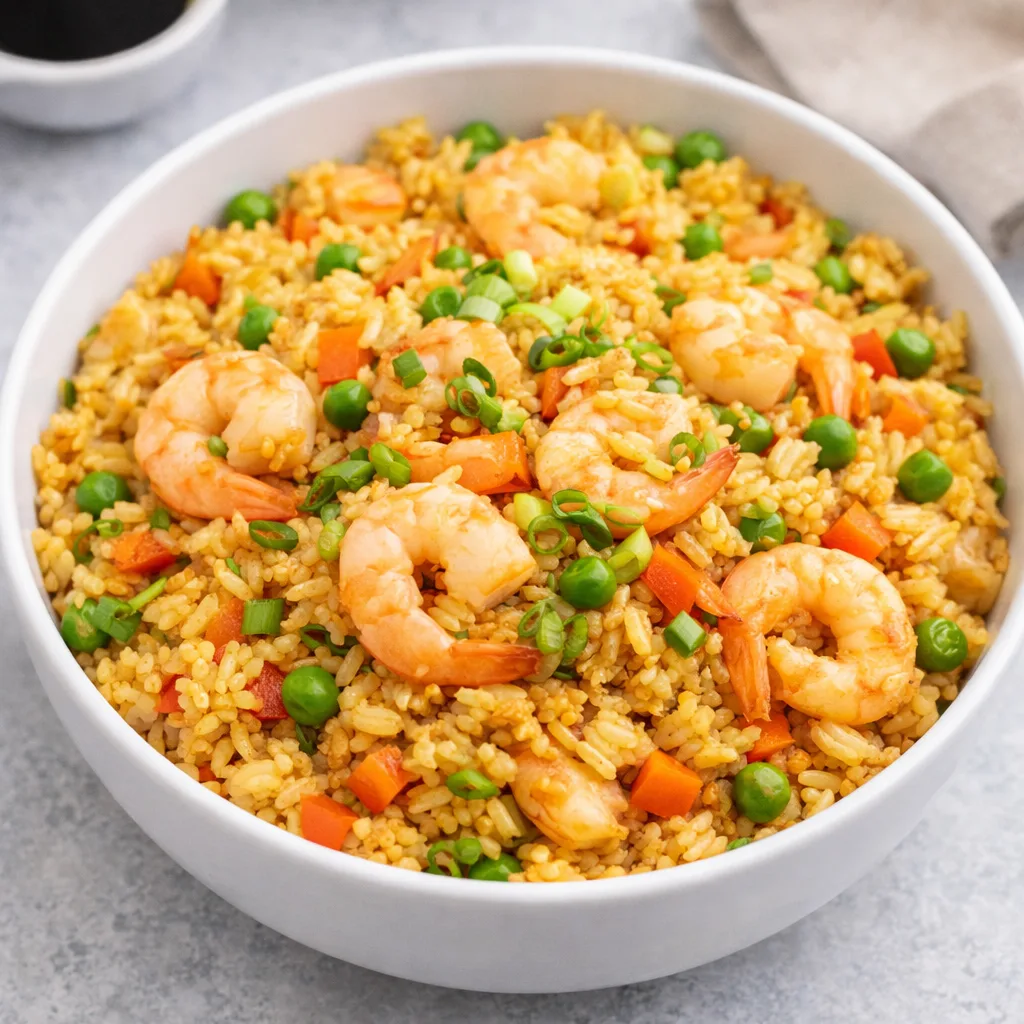
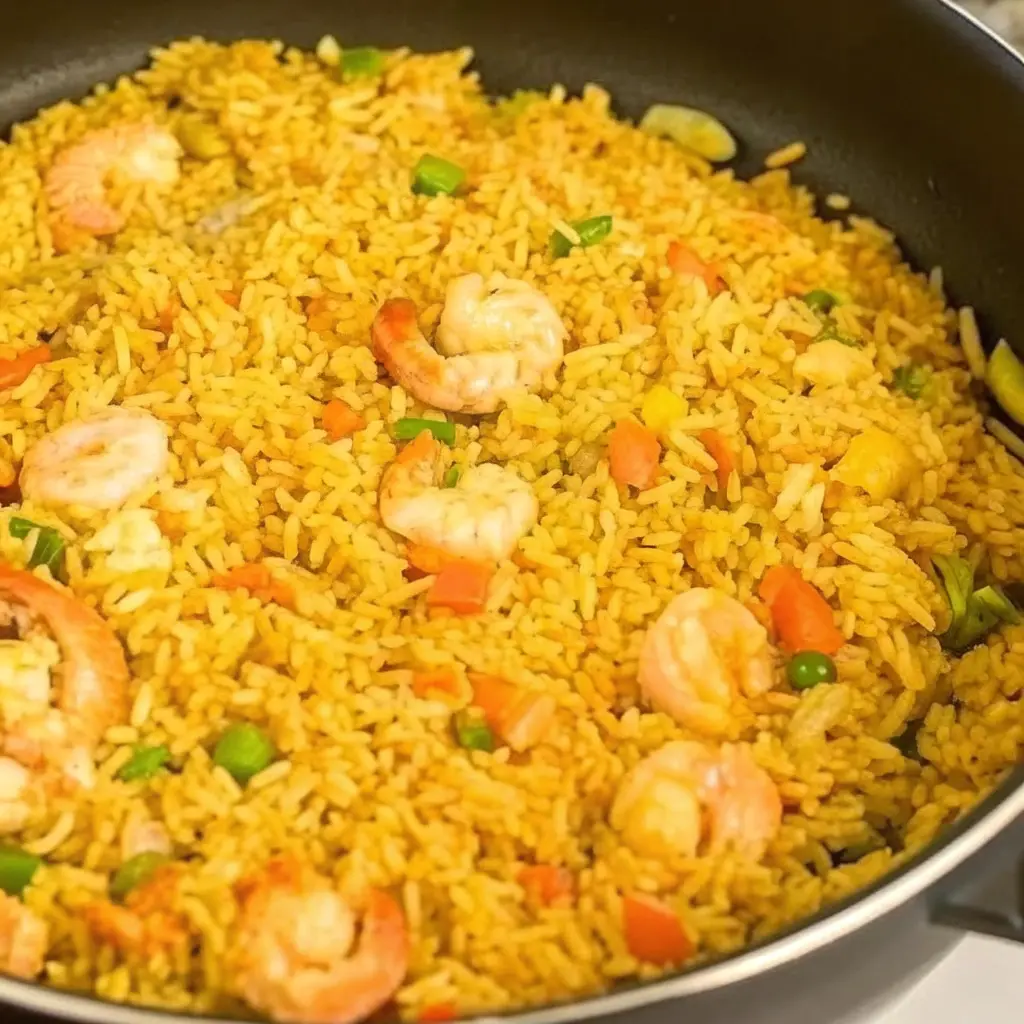
Shrimp Fried Rice
It was a late summer evening — the kind when the sun tilts low and the windows of the kitchen catch golden light, dust motes dancing in the warm air. I was coming home after a long day, tired and hungry, with a bag of peeled shrimp in the fridge that had been waiting since midday. The hum of the city softened as I stepped inside, and the scent of jasmine rice cooking in the background felt like a promise: a simple, comforting dinner was about to happen.
I decided on shrimp fried rice because I wanted something quick, satisfying, and familiar — a dish that brings back memories of take‑out nights when I was younger, but remade at home with fresh ingredients and care. As I chopped scallions and garlic, the kitchen filled with the light, salty warmth of soy sauce meeting sizzling shrimp. It felt good to take time for a home‑cooked meal, to stir the rice slowly and listen to the quiet pop of shrimp cooking. By the time I served it, the plate was warm in my hands, steam rising gently, and the first bite tasted like summer evenings, comfort, and a small bit of peace.
Table of Contents
Essential Ingredients
2 cups cooked white rice (preferably cooled or day-old)
300–350 g peeled, deveined shrimp
2 large eggs, lightly beaten
1 small onion, finely chopped
2–3 garlic cloves, minced
1 cup frozen mixed vegetables (peas and carrots) — optional but adds color and texture
2–3 tablespoons soy sauce (low‑sodium if preferred)
1 tablespoon vegetable oil (or mix of oil + a little sesame oil for aroma)
Salt and freshly ground black pepper, to taste
2 green onions, sliced (for garnish)
Preparation Steps (Step‑By‑Step Instructions)
- Prepare your rice first. If possible, use rice cooked ahead and cooled — day‑old rice works best because the grains are drier and separate more easily when stir‑frying.
- Heat the pan. Warm a large skillet or wok over medium‑high heat; add the vegetable oil, swirling to coat.
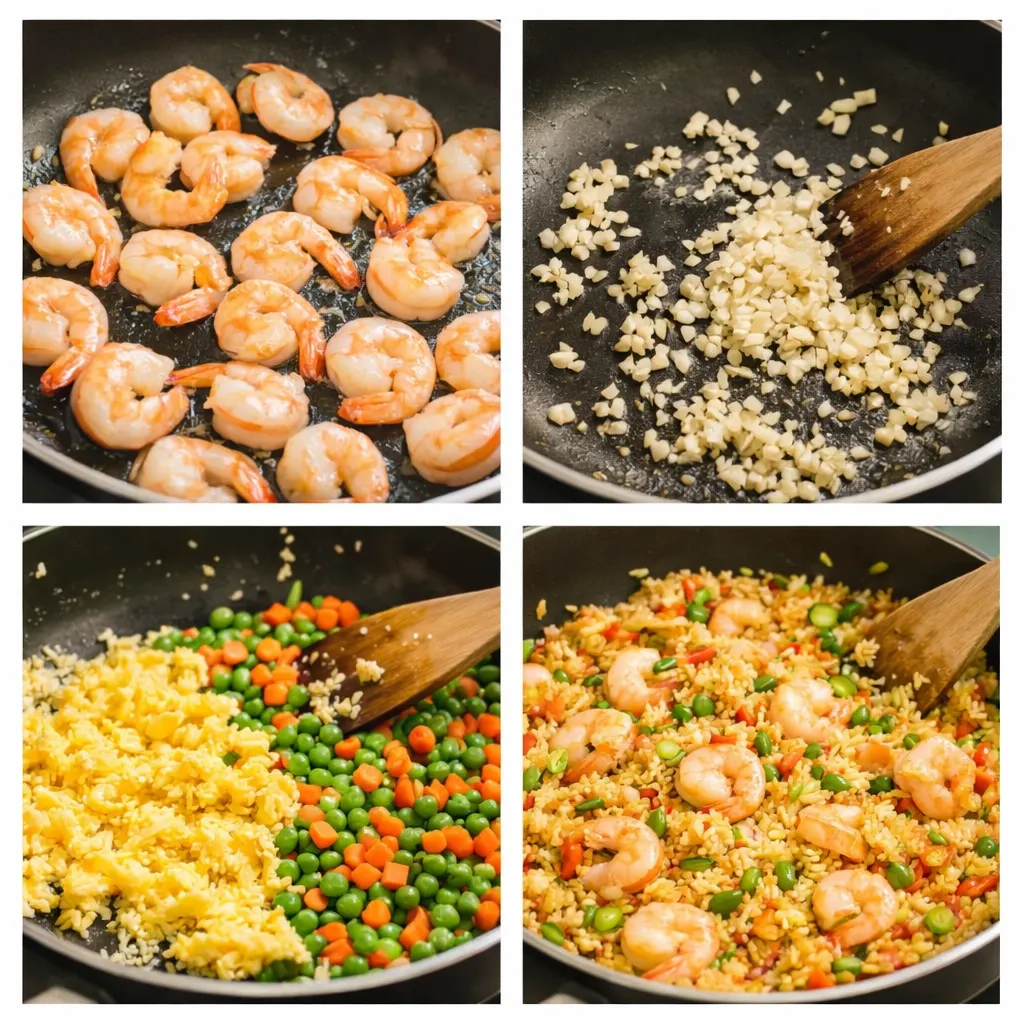
- Cook shrimp. Add the shrimp to the hot oil. Stir frequently for about 1–2 minutes per side or until shrimp turn pink and opaque. Remove the shrimp from the pan and set aside on a plate.
- Sauté aromatics. In the same pan, add the chopped onion and minced garlic. Stir for about 30–45 seconds until fragrant.
- Add vegetables (optional). Toss in the frozen peas and carrots (or any vegetables you like), stirring until they’re warmed through, about 1–2 minutes.
- Scramble eggs. Push veggies to one side of the pan. Pour beaten eggs into the empty side and scramble gently until just set. Then mix with the vegetables.
- Combine rice and seasoning. Add the cooled rice to the pan, breaking up any clumps. Pour over the soy sauce, and stir-fry — tossing everything together so rice gets heated thoroughly, absorbs the sauce, and begins to crisp slightly at the edges.
- Return shrimp & finish. Add cooked shrimp back to the pan. Stir well to combine, taste, then adjust seasoning with salt or pepper if needed.
- Garnish and serve. Turn off the heat, sprinkle sliced green onions on top, give a final gentle toss, and serve immediately while hot and fragrant.
Why You Will Love This Recipe
- Speed + satisfaction: In about 20–25 minutes you get a full meal — no long prep, no heavy cleanup. Great for busy weeknights.
- Comforting and versatile: Shrimp adds protein, rice gives comfort, and you can adapt vegetables and seasoning to your taste or what’s available.
- Flavorful simplicity: Garlic, onion, soy sauce, and sesame oil give a savory, slightly nutty profile without being overwhelming.
- Leftover‑friendly: Uses leftover rice or fridge shrimp — minimizing waste and saving money.
- Balanced and complete: You get carbs, proteins, some veggies — a filling dish that feels fulfilling yet not heavy.
Expert Tips For The Best Result
- Always use cooled or day‑old rice: freshly cooked rice often clumps and becomes mushy when stir‑fried.
- High heat and a hot pan help create slight crispness — the hallmark of good fried rice.
- Don’t overcrowd the pan: if you add too much at once, ingredients steam instead of fry; cook shrimp or veggies separately if needed.
- Add shrimp last to avoid overcooking — shrimp cook quickly and toughen if left too long.
- Taste before serving: soy sauces vary — start with less and add more if needed.
Variations and Customizations
- Swap white rice with brown rice or even cauliflower rice for a lighter or fiber‑rich variation.
- Add extra vegetables: bell peppers, corn, broccoli, or even spinach for more color and nutrients.
- Use low-sodium soy sauce or coconut aminos to reduce salt.
- Add a splash of sesame oil at the end for a fragrant, nutty hint.
- For extra flavor, stir in a bit of fresh ginger with garlic at the start.
Serving Suggestions
Serve this shrimp fried rice as a standalone dinner with a simple side salad or steamed greens. It pairs nicely with grilled vegetables or a light soup. If you want something more filling, serve it alongside grilled fish or chicken, or with a side of pickled cucumbers for a refreshing contrast.
Storage and Freezing Tips
- Store leftovers in an airtight container in the fridge for up to 2–3 days.
- Reheat on the stove (or in a skillet) over medium heat — that helps keep shrimp tender and rice from drying out.
- Freezing cooked fried rice is possible, but texture changes (rice can become a bit soft or grainy). If freezing, portion before freezing, and reheat gently with a splash of water or broth.
Recipe FAQs
Can I use fresh shrimp or should it be frozen?
You can use either — fresh shrimp work best, but good‑quality frozen shrimp (thawed and drained) are perfectly fine and often more convenient.
What kind of rice is best?
Long‑grain white rice or jasmine rice works well. Using rice cooked the day before and refrigerated gives the best texture.
Can I make it without eggs?
Yes — you can skip eggs if you dislike them or if you prefer a lighter version. The dish still works well with shrimp, vegetables, and rice.
How can I reduce sodium in this dish?
Use low‑sodium soy sauce or a reduced‑salt alternative, and limit added salt. Add more vegetables for volume and flavor instead of relying solely on seasoning.
Can I make a big batch and reheat later?
Yes — cook in batches if needed, refrigerate leftovers, and reheat gently. Be careful not to overcook shrimp on reheating.
Conclusion
This shrimp fried rice is simple and satisfying — a dish that turns leftover rice and a handful of shrimp into a warm, fragrant plate full of comfort. I love how the garlic and soy mingle with the savory shrimp, and how the final touch of green onion brightens every bite. Every time I make it, I feel like I’m sharing a little piece of home and care, even if I’m cooking just for myself.
Nutritional Information (per serving, approximate)*
- Calories: ~320–330 kcal
- Protein: ~22–24 g
- Carbohydrates: ~40–45 g
- Fat: ~10–12 g
Values are approximate and depend on ingredient amounts and portion size.
Your New Go-To Comfort Food Awaits
Let a plate of this warm, fragrant shrimp fried rice bring instant comfort and satisfaction to your table — anytime you need a comforting, quick dinner.