
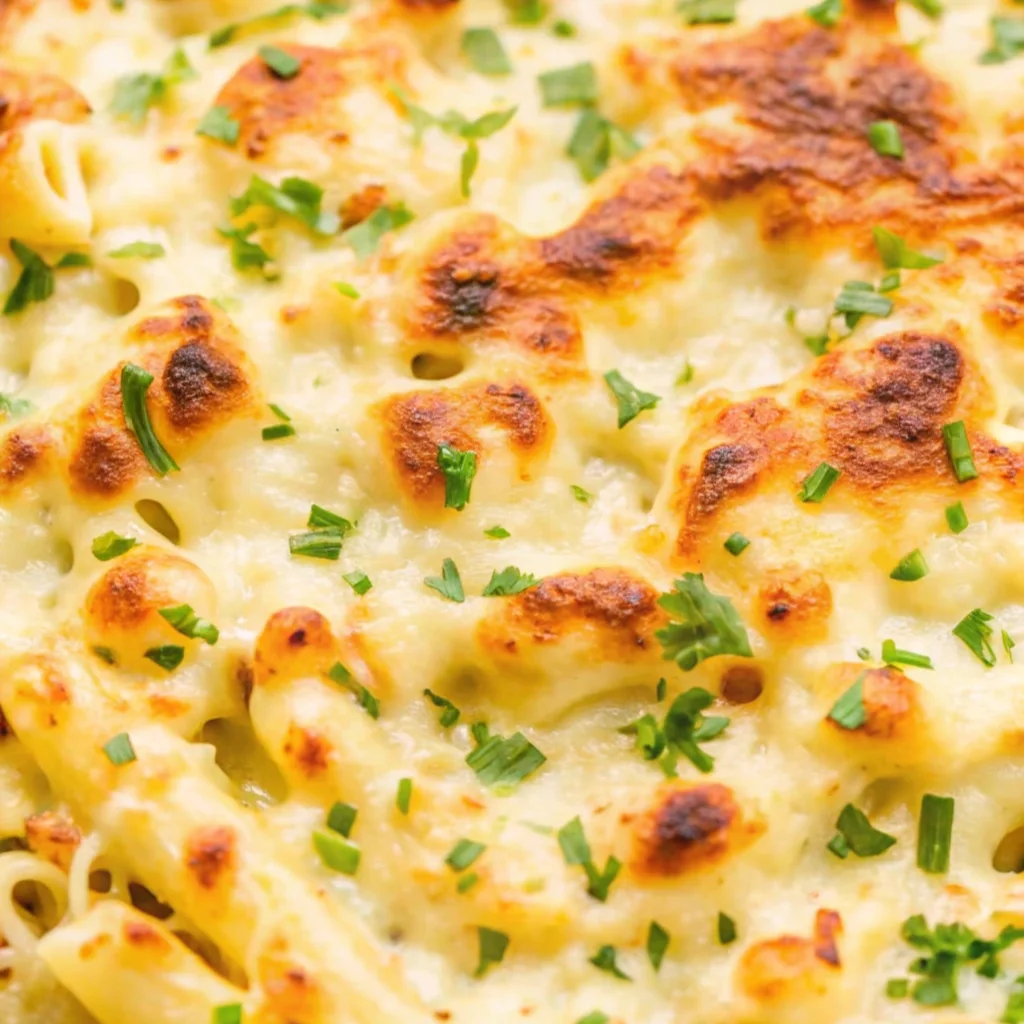
Creamy Tuna Pasta
The rain was tapping gently against the kitchen window on a chilly Thursday evening when I realized I had forgotten to defrost anything for dinner. My pantry felt bare, my energy was low, and the thought of ordering takeout again made me cringe. Then I spotted a can of tuna tucked behind the pasta boxes, and suddenly, I remembered my college roommate Sofia making this exact dish during our late-night study sessions. She’d transform the humblest ingredients into something that felt like a warm hug, and the creamy sauce clinging to every strand of pasta always made our tiny apartment smell like home.
This tuna pasta has saved me countless times since then, and it’s become one of those recipes I turn to when life feels overwhelming or when I simply need something comforting without the fuss. It’s rich, satisfying, and ready in less time than it takes to watch an episode of your favorite show. The best part? You probably have everything you need already sitting in your kitchen.
Table of Contents
Essential Ingredients
• 12 oz penne, rigatoni, or fusilli pasta
• 2 cans tuna (5 oz each), drained
• 1 cup heavy cream
• 2 cloves garlic, minced
• 1 small onion, finely chopped
• ¾ cup grated Parmesan cheese
• 1 cup peas (fresh or frozen)
• 2 tbsp olive oil
• ½ tsp red pepper flakes
• Salt, to taste
• Black pepper, to taste
Preparation Steps (Step-By-Step Instructions)
1 Cook Your Pasta
Bring a large pot of salted water to a rolling boil and add your pasta. Cook according to package directions until al dente, usually about eight to ten minutes. Before draining, save one cup of the starchy pasta water—this liquid gold helps create a silky sauce later.
2 Prepare the Aromatics
While the pasta cooks, heat olive oil in a large skillet over medium heat. Add finely diced onion and sauté until soft and translucent, about four minutes. The kitchen will start smelling absolutely wonderful at this point.
3 Add the Garlic
Toss in minced garlic and cook for just one minute, stirring constantly so it doesn’t burn. You want it fragrant and golden, not bitter.
4 Build the Creamy Sauce
Pour in the heavy cream and bring it to a gentle simmer. Let it bubble softly for two to three minutes until it thickens slightly. Season with salt, pepper, and a pinch of red pepper flakes for a subtle warmth.
5 Incorporate the Tuna
Drain your canned tuna and flake it gently with a fork. Add it to the cream sauce along with the peas if you’re using them. Stir everything together and let it warm through for about two minutes.
6 Combine and Finish
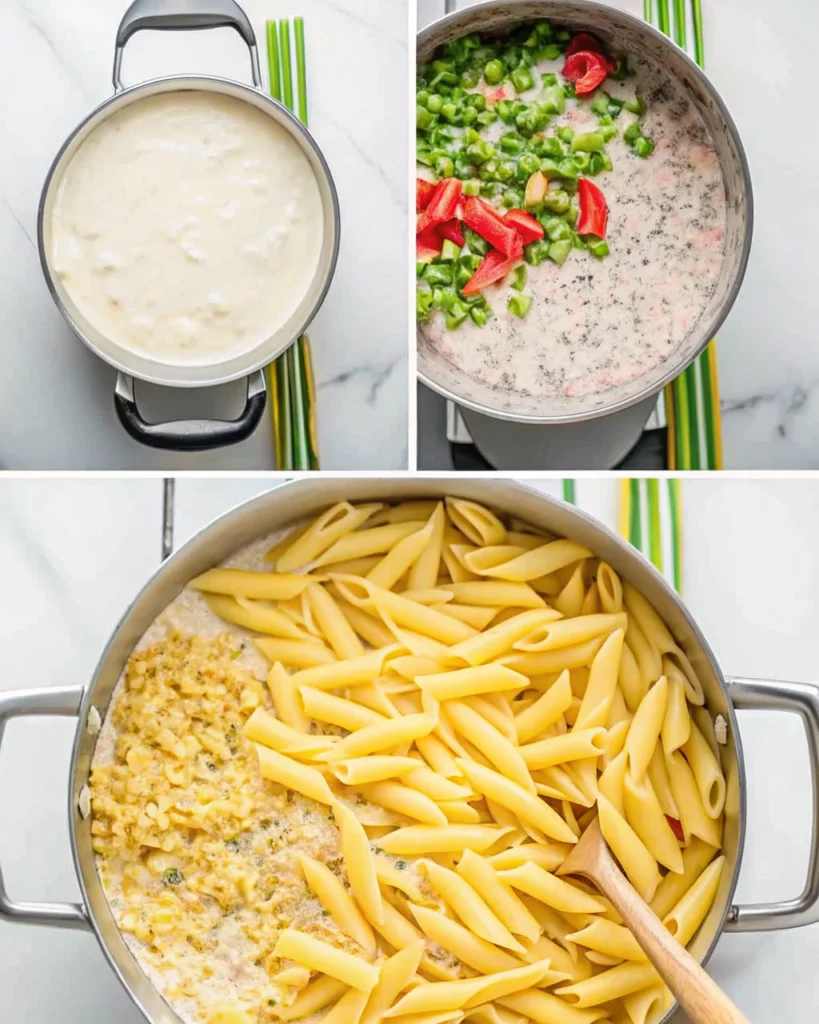
Add the drained pasta directly to the skillet with the creamy tuna sauce. Toss everything together, adding splashes of reserved pasta water as needed to achieve your desired consistency. The sauce should cling lovingly to every piece of pasta without being too thick or too thin.
7 Add the Cheese
Remove from heat and stir in freshly grated Parmesan cheese. Taste and adjust seasonings as needed. Sometimes I add an extra squeeze of lemon juice here for brightness, though it’s completely optional.
Why You Will Love This Recipe
This tuna pasta comes together in just twenty minutes, making it perfect for hectic weeknights when cooking feels like too much effort. It uses affordable pantry staples, so you’re not breaking the bank for a satisfying meal. The creamy sauce feels indulgent and restaurant-quality, yet it’s surprisingly simple to make. It’s also incredibly versatile—dress it up with fresh herbs and extra vegetables or keep it simple and classic. Kids tend to love it, and adults appreciate how comforting it tastes after a long day.
Expert Tips For The Best Result
Don’t skimp on the pasta water—that starchy liquid is essential for creating a sauce that clings properly instead of separating. Use freshly grated Parmesan rather than the pre-grated stuff for much better flavor and texture. If your sauce seems too thick, add pasta water one tablespoon at a time until it reaches perfect consistency. For deeper flavor, add a teaspoon of Dijon mustard to the cream sauce. Always taste before serving and adjust the seasoning generously—pasta needs more salt than you think.
Variations and Customizations
Transform this basic recipe into something new by adding sun-dried tomatoes and fresh basil for an Italian twist. Stir in sautéed mushrooms and spinach for extra vegetables and earthiness. Make it spicy by doubling the red pepper flakes and adding a splash of hot sauce. For a lighter version, use half-and-half instead of heavy cream. Add capers and lemon zest for a bright, briny flavor profile that cuts through the richness beautifully.
Serving Suggestions
Serve your creamy tuna pasta in wide, shallow bowls with an extra sprinkle of Parmesan and freshly cracked black pepper on top. A simple side salad with crisp greens and a light vinaigrette balances the richness perfectly. Garlic bread or crusty Italian bread is wonderful for soaking up any extra sauce. For a complete meal, add roasted cherry tomatoes or steamed broccoli on the side. This dish works beautifully for casual weeknight dinners, but it’s also nice enough to serve when you have friends over for an impromptu gathering.
Storage and Freezing Tips
Store leftover tuna pasta in an airtight container in the refrigerator for up to three days. The sauce may thicken as it sits, so add a splash of milk or cream when reheating to bring back that silky texture. Reheat gently on the stovetop over low heat, stirring frequently, or microwave in short intervals. While you can freeze this dish for up to two months, cream-based sauces sometimes separate slightly when thawed. To fix this, stir vigorously while reheating and add a bit of fresh cream.
Recipe FAQs
Can I use fresh tuna instead of canned? Absolutely! Sear fresh tuna steaks until just cooked through, then flake them into the sauce. Fresh tuna gives you a more premium flavor and texture, though canned tuna is wonderfully convenient and budget-friendly.
What if I don’t have heavy cream? You can make a lighter version using milk thickened with a tablespoon of flour or cornstarch. Alternatively, mix equal parts Greek yogurt and milk for a tangy, creamy sauce that’s lower in calories.
How can I make this dairy-free? Swap the heavy cream for full-fat coconut milk or cashew cream, and use nutritional yeast instead of Parmesan cheese. The flavor will be slightly different but still delicious and satisfying.
Common Mistakes to Avoid
Overcooking the Pasta: Mushy pasta ruins the entire dish. Always cook to al dente, as it will continue softening slightly when tossed with the hot sauce. Using Low-Quality Tuna: The tuna is the star here, so choosing a cheap, overly fishy brand affects the final taste significantly. Invest in decent tuna packed in olive oil or water. Forgetting to Save Pasta Water: This is the secret to professional-quality sauce. That starchy water helps everything come together smoothly and prevents the sauce from being greasy or separated.
Conclusion
On rainy evenings or exhausting days when nothing seems to go right, this creamy tuna pasta reminds me that simple pleasures still matter. Just like Sofia showed me all those years ago, sometimes the most comforting meals are the ones that don’t require fancy ingredients or complicated techniques—just a little creativity and a lot of heart.
Timing
Prep Time: 5 minutes Cook Time: 15 minutes Total Time: 20 minutes Servings: 4
Nutritional Information (per serving)
Each serving provides approximately 480 calories, 24 grams of protein, 52 grams of carbohydrates, 18 grams of fat, and 3 grams of fiber.
Your New Go-To Comfort Food Awaits
Grab that can of tuna from your pantry and discover why this creamy pasta deserves a spot in your weekly dinner rotation.
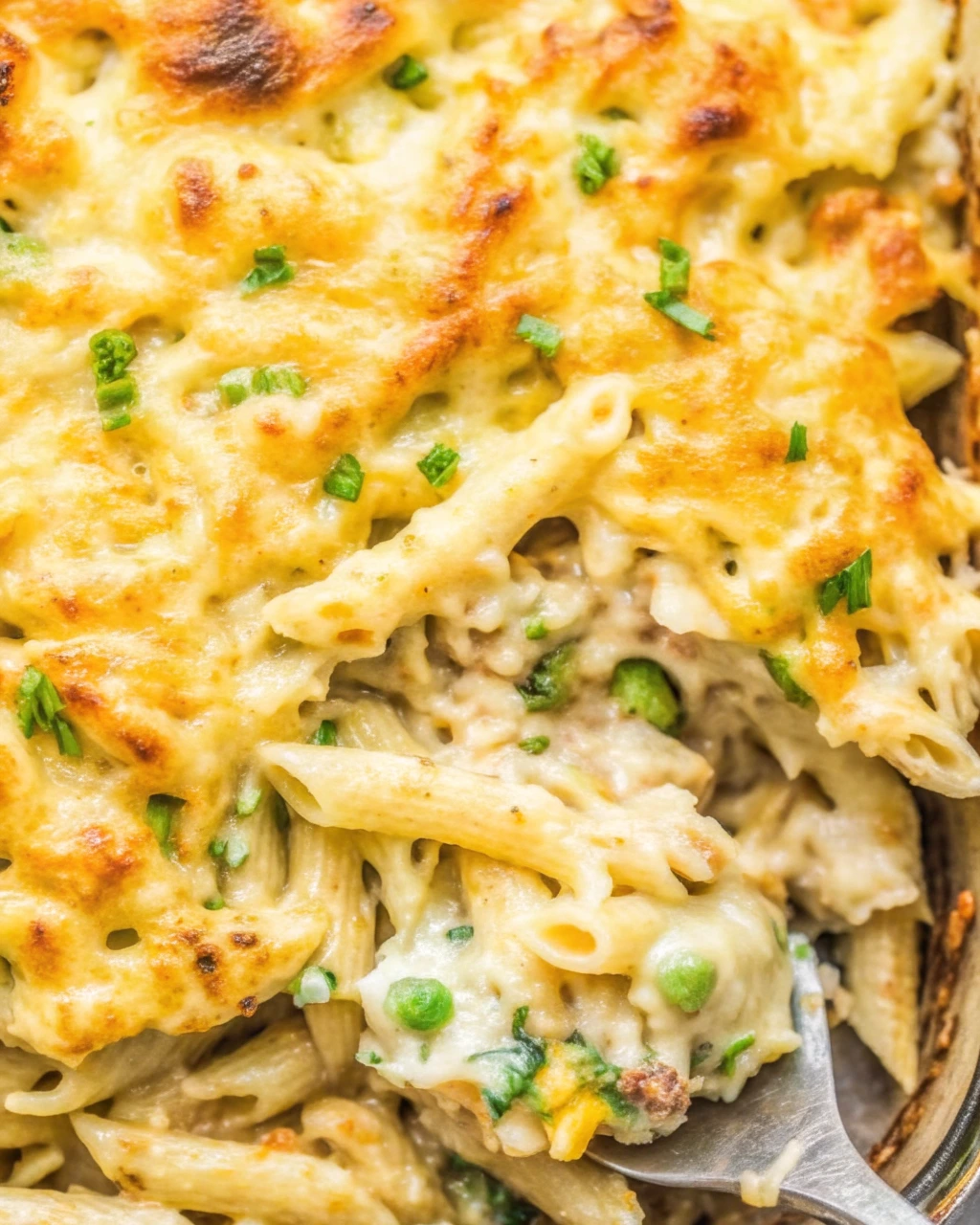
tuna pasta
Ingredients
Method
- Bring a large pot of salted water to a rolling boil and add your pasta. Cook according to package directions until al dente, usually about eight to ten minutes. Before draining, save one cup of the starchy pasta water—this liquid gold helps create a silky sauce later.
- While the pasta cooks, heat olive oil in a large skillet over medium heat. Add finely diced onion and sauté until soft and translucent, about four minutes. The kitchen will start smelling absolutely wonderful at this point.
- Toss in minced garlic and cook for just one minute, stirring constantly so it doesn’t burn. You want it fragrant and golden, not bitter.
- Pour in the heavy cream and bring it to a gentle simmer. Let it bubble softly for two to three minutes until it thickens slightly. Season with salt, pepper, and a pinch of red pepper flakes for a subtle warmth.
- Drain your canned tuna and flake it gently with a fork. Add it to the cream sauce along with the peas if you’re using them. Stir everything together and let it warm through for about two minutes.
- Add the drained pasta directly to the skillet with the creamy tuna sauce. Toss everything together, adding splashes of reserved pasta water as needed to achieve your desired consistency. The sauce should cling lovingly to every piece of pasta without being too thick or too thin.
- Remove from heat and stir in freshly grated Parmesan cheese. Taste and adjust seasonings as needed. Sometimes I add an extra squeeze of lemon juice here for brightness, though it’s completely optional.